How to Replace Burnt Out Ballast with LED Corn Light Guide?

Time:2026-08-23 Author:Oliver
0%

Replacing a burnt-out ballast can seem daunting, but it’s a manageable task. According to lighting expert John Smith, "Switching to LED corn lights enhances energy efficiency and reduces maintenance." This statement echoes the growing trend in the lighting industry. Many people are now considering how to replace a burnt out ballast with LED corn light for improved performance.

LED corn lights offer significant advantages. They require less power, last longer, and provide better illumination. The transition from traditional ballasts can lead to immediate cost savings on energy bills. However, the process can involve several steps and safety precautions.

Many homeowners hesitate before starting this project. Common concerns include the wiring and compatibility of new fixtures. It’s important to research and understand the specific needs of your setup. With the right guidance and tools, replacing a ballast can lead to rewarding results. Embracing LED technology will not only brighten your space but also contribute to a more sustainable future.
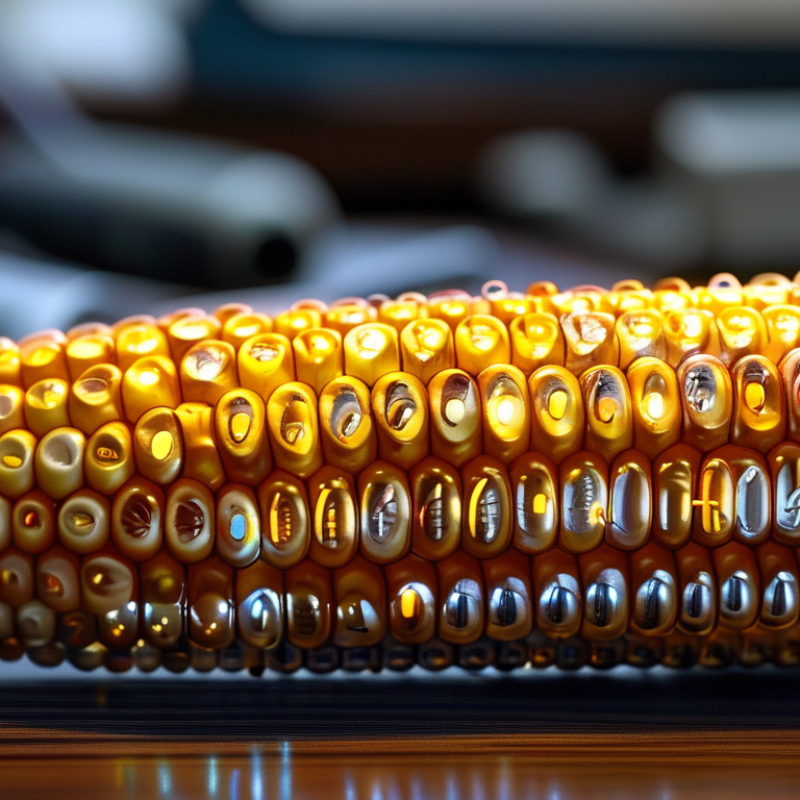
How to Replace Burnt Out Ballast with LED Corn Light Guide?

Understanding Ballasts and Their Role in Lighting Systems

Ballasts are crucial components in many traditional lighting systems. They regulate current to fluorescent lights, ensuring they operate efficiently. When a ballast malfunctions, the entire lighting system can fail. This often results in flickering lights or a complete blackout. Many users may not understand the intricacies of how ballasts work, leading to confusion and frustration.

In recent years, LED technology has gained popularity as an alternative. LED corn lights can replace traditional bulbs without the need for a ballast. This transition not only enhances energy efficiency but also simplifies the lighting setup. Users must consider the wiring when removing the ballast. Failure to do so can lead to short circuits or fire hazards.

Understanding the role of ballasts helps users make informed decisions. When lights fail, identifying whether the problem lies with the ballast or the bulb is essential. Regular maintenance can prevent unexpected failures. Transitioning to LED corn lights can eliminate the ballast entirely, creating a more reliable system overall. Taking steps toward this upgrade may feel daunting, but the long-term benefits are clear.

Identifying the Signs of a Burnt Out Ballast

Identifying the signs of a burnt-out ballast can save you time and trouble. A dim or flickering light is a common indication. This might suggest that your ballast is failing or has completely burnt out. You may also notice an unusual buzzing sound coming from the fixture. This sound often points to electrical issues within the ballast itself. Additionally, check for physical signs like burnt or discolored areas around the ballast. These can be indicative of a failure that needs prompt attention.

When inspecting, remember to turn off the power before examining any fixture. Safety should be your first concern. Touching a hot ballast can lead to shock or burns. Keep an eye on whether your lights are taking longer to start. This delay can signify that your ballast is on its last leg.

Look for consistent performance over time. A healthy ballast maintains steady lighting levels. If your lights frequently dim or flicker, track the pattern. Regular monitoring helps you catch problems early. If you notice these issues, consider replacing your ballast with a more efficient LED corn light. This upgrade can prevent future issues and potentially lower your energy costs.

How to Replace Burnt Out Ballast with LED Corn Light Guide? - Identifying the Signs of a Burnt Out Ballast

Signs of Burnt Out Ballast Possible Causes Replacement Steps Safety Tips
Flickering lights Age of ballast, electrical surges Turn off power, remove existing ballast Always turn off the electrical supply before starting
Buzzing noise Faulty ballast, incorrect voltage Install new LED corn light fixture Wear safety goggles and gloves
Dark or dim lights Overheating, poor connections Connect wiring according to instructions Ensure proper ventilation to prevent overheating
Leaking ballast Physical damage, age Remove any debris and check sockets Dispose of the damaged ballast properly

Selecting the Right LED Corn Light Replacement

Selecting the right LED corn light can be a daunting task. Various factors come into play, like wattage, brightness, and color temperature. You need to consider the space you’re illuminating. For larger areas, opt for higher wattage for better light distribution. This choice impacts efficiency and overall ambiance.

Moreover, pay attention to the lumens rating. It measures brightness and helps determine if the corn light meets your needs. A quick check on energy efficiency goes a long way. Look for options that promise long life and low energy consumption. Sometimes, the most affordable choice might not offer the best performance.

In this transition, reflect on your past ballast issues. Did you experience compatibility problems? Addressing this upfront is essential. Ensure the selected corn light fits your fixtures without modifications. Understanding these details can prevent future frustrations and ensure a smooth upgrade.

Step-by-Step Guide to Removing the Old Ballast

Replacing a burnt-out ballast with an LED corn light can enhance the efficiency of your lighting system. Before you proceed, it's essential to focus on safely removing the old ballast. Begin by switching off the power supply and ensuring the area is well-lit for better visibility. Gather your tools, including a screwdriver, wire cutters, and a voltage tester. According to the Department of Energy, the proper installation of LED lighting can result in energy savings of up to 75%. This underscores the importance of following the right steps during replacement.

Carefully access the ballast by removing the fixture cover. Inspect for any signs of damage or wear from previous installations. Document the wiring setup before disconnecting. The National Electrical Code advises labeling wires for easier reconnection when installing the new light. Remove the old ballast by cutting the wire connections. Be cautious. A hasty removal can lead to further electrical issues or hazards.

Once the ballast is detached, you can prepare for the installation of your LED corn light. Take the time to inspect your wiring. Faulty connections can lead to more than just flickering lights; they can also pose a fire hazard. According to industry data, improper wiring can account for over 30% of electrical failures in lighting systems. Prioritize safety by reflecting on your work as you move forward.

Installing the New LED Corn Light: Best Practices

Installing a new LED corn light can be straightforward if you follow best practices. Start by ensuring your work area is safe. Use gloves and safety goggles. Unplug the fixture to eliminate electrical hazards. Double-check that the old ballast is truly burnt out before proceeding. It’s essential to prepare for potential wiring issues. Frayed wires can be a hidden danger.

When installing the new corn light, match the wattage to your old ballast. A light that is too powerful can overheat. Secure the new fixture with the correct fasteners to ensure stability. Consider using a voltage tester after installation to confirm a safe setup. Be mindful of the placement. Avoid areas where moisture can build up, which could lead to further electrical problems.

Monitor the light performance after installation. Some initial flickering may occur as the fixture adapts. It’s normal but should resolve quickly. If issues persist, reconsider your installation method or consult an expert. Lighting should improve your space, not hinder it. Evaluating your progress will help identify any missteps for future projects.

FAQS

: What is the role of ballasts in lighting systems?

: Ballasts regulate current to fluorescent lights, ensuring efficient operation and preventing system failures.

How can you tell if a ballast is burnt out?

Signs include dim or flickering lights, unusual buzzing sounds, and burnt areas around the ballast.

What should you do before inspecting a lighting fixture?

Always turn off the power to avoid electrical shock or burns when inspecting fixtures.

Can you replace traditional bulbs with LED corn lights without a ballast?

Yes, LED corn lights can be installed without a ballast, simplifying the lighting setup.

What safety measures should be taken when installing LED corn lights?

Use gloves, safety goggles, and unplug the fixture to eliminate electrical hazards before installation.

What is a common mistake when installing new corn lights?

Using mismatched wattage can lead to overheating and potential hazards.

Why is regular maintenance important for ballasts?

Regular checks can help identify issues early and prevent unexpected lighting failures.

What should you do if your newly installed corn light flickers?

Initial flickering can occur but should resolve quickly; monitor performance and review installation if it persists.

Where should you avoid placing new lighting fixtures?

Avoid areas prone to moisture buildup, which can cause electrical issues over time.

What should you evaluate after an LED installation?

Assess the light performance and check for any missteps to improve future projects.

Conclusion

In the process of learning how to replace a burnt out ballast with LED corn light, it's crucial to first understand the function of ballasts in lighting systems. Ballasts regulate the current to the lights and can often show signs of failure, such as flickering or inconsistent lighting. Identifying these signs is the first step in determining if a ballast needs replacement.

Once it is established that the ballast is burnt out, selecting the appropriate LED corn light is vital. After that, a detailed step-by-step guide helps in safely removing the old ballast and installing the new LED corn light. By following best practices during installation, users can ensure a seamless transition to more efficient lighting solutions, enhancing both safety and energy efficiency in their spaces.

Oliver

Oliver

Oliver is a seasoned marketing professional with a wealth of expertise in driving brand awareness and engagement. With a deep understanding of our company's product offerings, he consistently delivers high-quality content that enriches our professional blog. His insights not only shed light on......