Flickering lights can be more than just an annoyance. Many people wonder, “why is my LED high bay fixture flickering?” This common issue can stem from various causes, and identifying the right one is crucial. An LED high bay fixture is designed to provide bright, consistent lighting, especially in large spaces. When these lights flicker, it disrupts the ambiance and may even indicate underlying problems.
Understanding the reasons behind flickering is essential for proper maintenance. It could result from voltage fluctuations, incompatible dimmers, or loose connections. Each of these reasons requires different approaches for resolution. In some cases, flickering lights might hint at more significant electrical issues that could lead to safety hazards.
By addressing the flickering promptly, you enhance the performance and longevity of your LED fixtures. It’s important to reflect on your lighting experience and troubleshoot effectively. This article will guide you through potential solutions for your flickering LED high bay fixture.
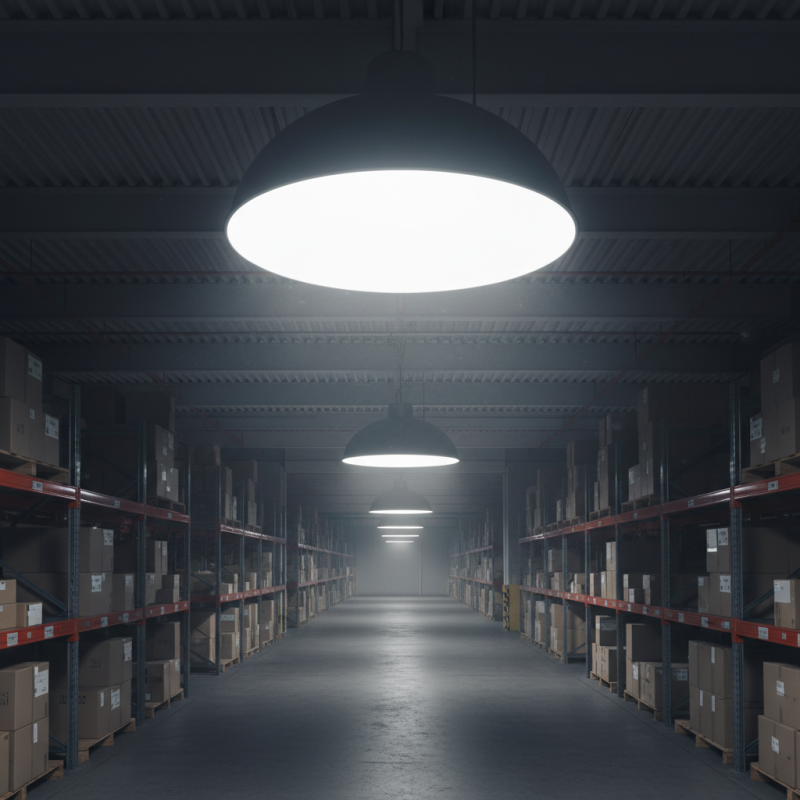
Flickering in LED high bay fixtures can be frustrating and disruptive. Understanding the root causes is essential for effective solutions. A study from the Department of Energy (DOE) indicates that over 25% of reported LED issues stem from compatibility problems with dimmers and fixtures. These compatibility issues often result in fluctuations in brightness. Maintaining a stable current is crucial for long-term performance.
Another common cause of flickering is electrical surges. According to the National Electrical Manufacturers Association (NEMA), voltage variations can adversely affect LED drivers. These fluctuations can lead to premature failure and reduce lifespan. Regular inspections and the use of surge protection devices can mitigate these risks.
In some cases, the flickering may also be linked to environmental factors. Temperature changes can influence LED performance. A Harvard study highlighted that LEDs in poorly ventilated areas suffer more from flickering. Ensuring adequate airflow and maintaining ambient temperatures are vital for optimal function. Awareness of these variables can help create a stable lighting environment.
Flickering in LED high bay fixtures can be frustrating. It often stems from several common issues. One major cause is electrical interference. This can occur when incompatible dimmers are used. Data from the Lighting Research Center reports that nearly 30% of flickering issues are linked to incorrect dimming technology. High-quality dimmers are essential for flicker-free operation.
Another frequent culprit is temperature fluctuations. LEDs are sensitive to heat. High temperatures can lead to electronic component failure and stability issues. A study indicates that over 15% of LED fixture failures relate to thermal management problems. Installing fixtures in well-ventilated areas can mitigate this risk.
Lastly, fluctuating voltage levels can cause flickering. Inconsistent power supply can affect LED performance. Reports highlight that voltage variations contribute to about 25% of flickering in commercial settings. To address this, consider using surge protectors or voltage stabilizers. Regular maintenance checks can help identify and rectify potential faults early, ensuring a reliable lighting solution.
LED high bay fixtures can flicker for various reasons. This problem can be annoying and may indicate a deeper issue. Let's take a step-by-step approach to troubleshoot this flickering issue.
First, check the power supply. A poor or insufficient power source may cause flickering. Inspect the wiring connections, ensuring they are secure. Loose connections can lead to inconsistent power delivery. If the wiring looks frayed or damaged, consider getting it replaced.
Next, examine the LED driver. The driver converts incoming voltage. If it is not functioning correctly, it might cause flickering. Check the driver for overheating or signs of wear. Replacing a faulty driver may solve the issue.
Lastly, sometimes the bulb itself is the culprit. Inspect the LED bulbs for any damage. An aged or incompatible bulb may flicker. If you notice any discrepancies, replacing the bulb can restore steady light.
Tips: Regular maintenance checks can prevent flickering. This includes cleaning fixtures and checking connections. Using high-quality drivers and bulbs adds reliability. If you're unsure about any step, consult a professional. They can provide insights tailored to your specific situation.
Flickering in LED high bay fixtures can disrupt both productivity and safety in workspaces. One common cause is inadequate voltage regulation. When voltage fluctuates, the LEDs respond by flickering. Reports show that up to 30% of commercial LED fixtures experience such inconsistencies. This can be addressed through quality power supplies that provide stable current.
Dimming drivers are also a significant factor influencing LED performance. Many fixtures use dimming technology that isn’t compatible with all LEDs, leading to unwanted flickering. A recent industry study revealed that mismatched setups are responsible for nearly 25% of flickering cases. Upgrading to a compatible dimming driver can significantly improve the situation.
In some instances, the flickering may stem from outdated wiring or installation errors. Poorly connected wires and terminals can create a shaky power supply. Investigating the installation and ensuring solid connections can mitigate this issue. Gradually, organizations and facilities must realize that maintaining quality installation practices is crucial for consistent lighting.
Flickering LED high bay fixtures can be more than just a nuisance; they can indicate underlying electrical issues. Many facilities are unaware that approximately 30% of flickering problems stem from poor wiring or circuit overloads. These issues can disrupt operations and decrease productivity. If you notice flickering, inspect for loose connections or improper voltage. These visual cues may seem trivial but can lead to larger electrical malfunctions.
In situations where basic troubleshooting doesn’t resolve flickering, professional help is crucial. Reports suggest that around 25% of high bay flickering relates to compatibility issues with dimmers or transformers. Technicians can properly assess these components for optimal performance. Moreover, complex issues often require specialized tools and knowledge that only professionals possess. Electrical safety is paramount; avoid taking unnecessary risks.
Furthermore, some flickering could indicate failing drivers or LED modules, with a failure rate of 10% in certain models. Ignoring these signals may result in further damage or safety hazards. It is essential to take flickering seriously, as components can have significant implications for your lighting system's longevity and efficiency. When in doubt, seeking expert advice is the best course of action.
: Flickering often arises from electrical interference, temperature fluctuations, and inconsistent voltage levels.
Incompatible dimmers can lead to flickering. High-quality dimmers minimize this issue significantly.
LEDs are sensitive to heat. Excessive temperatures can cause electronic component failure.
Inconsistent power supply can affect LED performance, causing approximately 25% of flickering issues.
Begin by checking the power supply and ensuring all wiring connections are secure.
Overheating or visible wear on the driver can signal malfunctions that lead to flickering.
Yes, damaged or older bulbs may be the reason for flickering. Replacement can restore proper lighting.
Regular cleaning and inspection of fixtures and connections can identify potential issues early.
If you're uncertain about troubleshooting, a professional can provide valuable guidance tailored to your needs.
Using high-quality bulbs and drivers, along with surge protectors, can enhance reliability and reduce flickering.
Flickering in LED high bay fixtures can be a frustrating issue for many users, leading to the question, "why is my LED high bay fixture flickering?" Understanding the common causes of this problem is essential. Factors such as voltage fluctuations, incompatible dimmers, or poor connections can lead to flickering.
To troubleshoot this issue, one can conduct a step-by-step examination of the fixture, checking for loose wiring, ensuring proper compatibility with electronic components, and assessing the power supply. Additionally, implementing solutions like using surge protectors or upgrading to high-quality fixtures can significantly reduce the chances of flickering. If problems persist despite troubleshooting and upgrades, it may be time to seek professional help to ensure safety and functionality in your lighting system.
