Why Do LED Corn Bulbs Require Internal Cooling Fans?

Time:2026-07-29 Author:Charlotte
0%

LED corn bulbs are becoming popular for their energy efficiency and long lifespan. However, an essential component often overlooked is the internal cooling fan. This raises the question: why do LED corn bulbs need internal cooling fans? According to Dr. Emily Turner, a lighting technology expert, "The performance and longevity of LED bulbs heavily depend on effective thermal management."

As LED corn bulbs operate, they generate heat. If this heat is not managed properly, it can lead to reduced efficiency and a shorter lifespan. The internal cooling fan helps maintain optimal temperatures. This cooling system ensures that the LED components do not overheat, which can degrade performance over time.

It's important to consider that not all LED bulbs come with internal cooling systems. Some cheaper versions may compromise on this feature to cut costs. This can lead to dissatisfaction for consumers who expect durability. Inadequate cooling can result in flickering or premature failure. Thus, understanding why do LED corn bulbs need internal cooling fans is crucial for making informed purchasing decisions.
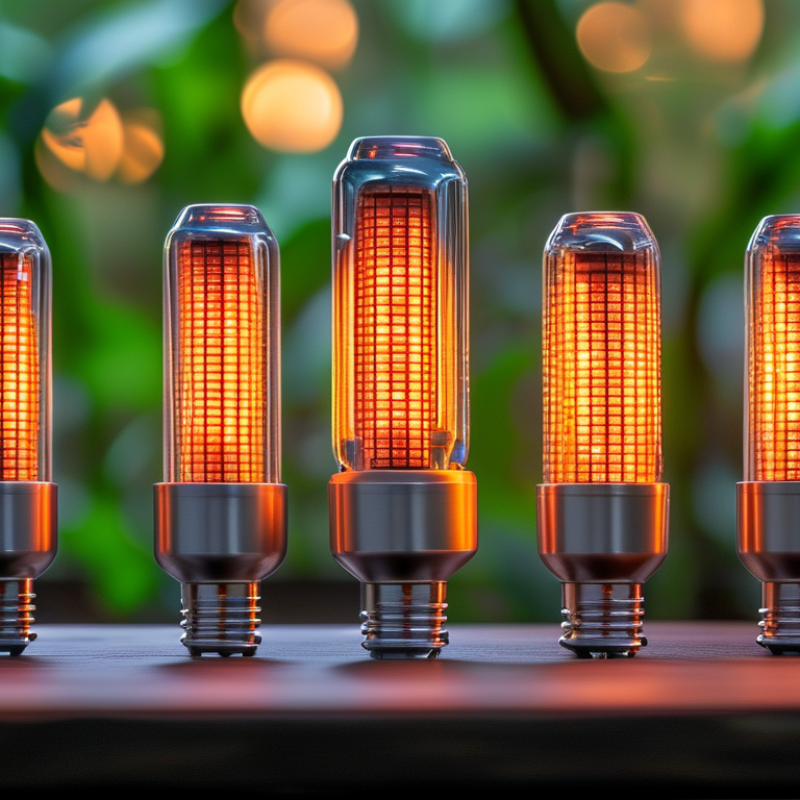
Why Do LED Corn Bulbs Require Internal Cooling Fans?

Understanding the Importance of Heat Management in LED Corn Bulbs

LED corn bulbs are increasingly popular for their energy efficiency and longevity. However, they generate heat during operation. If this heat is not controlled, it can lead to reduced performance and a shorter lifespan. Internal cooling fans play a vital role in managing this heat.

The effectiveness of cooling fans varies based on design and location. They help circulate air within the bulb, preventing heat build-up. Without proper heat management, LED bulbs may dim or flicker. In extreme cases, overheating could even lead to failure.

Consumers often underestimate the importance of heat management. It's easy to overlook this aspect when choosing LED bulbs. However, understanding cooling mechanisms can lead to better performance and longer usage. Investing in quality bulbs that incorporate these features can pay off in the long run.

The Mechanism of Heat Generation in LED Corn Bulbs

LED corn bulbs are known for their energy efficiency, but they can generate significant heat during operation. This heat primarily comes from the semiconductor materials used in the LEDs. As these materials convert electrical energy into light, some energy is inevitably lost as heat. If not managed, this excess heat can diminish performance and lifespan.

To combat this problem, many LED corn bulbs are designed with internal cooling fans. These fans help dissipate the heat, ensuring that the bulbs operate at optimal temperatures. The effectiveness of these cooling systems varies. Some fans may struggle to keep up, leading to overheating. In such cases, the light output may decrease, and the components could suffer damage over time.

It’s essential to recognize the balance between design and function in LED technology. While fans improve cooling, they also introduce noise and may require more energy. This paradox invites reflection on the future of lighting solutions. Are there innovative ways to enhance heat dissipation without relying heavily on fans? The industry must consider both efficiency and longevity in their designs.

Role of Internal Cooling Fans in Stabilizing LED Performance

LED corn bulbs are known for their efficiency and longevity. However, internal cooling fans are critical for maintaining their performance. These fans help mitigate the heat generated during operation. Excessive heat can lead to thermal stress, which reduces the lifespan of LEDs. Research shows that optimal operating temperatures can increase efficacy by as much as 20%.

Cooling fans play a vital role in stabilizing LED temperatures. They ensure consistent brightness and color accuracy. A study published by the Department of Energy found that effective thermal management can improve lumen maintenance significantly. Without proper cooling, some bulbs can experience a lumen depreciation of over 30% within two years.

Some users may question the necessity of cooling fans. Is the added complexity worth it? In some cases, low-power applications may function adequately without fans. However, high-output environments like warehouses or streetlights benefit significantly from this technology. The balance between performance and area of use must be considered. Proper integration of cooling fans can enhance LED reliability, making it a worthwhile investment for many applications.

Why Do LED Corn Bulbs Require Internal Cooling Fans? - Role of Internal Cooling Fans in Stabilizing LED Performance

Parameter Description Impact on Performance
Heat Dissipation Cooling fans help in effectively dissipating heat generated by LED bulbs. Prevents overheating, thus maintaining optimal brightness and color temperature.
Lifespan Extension Internal cooling helps reduce thermal stress on LED components. Extended operational life of the LEDs up to 50,000 hours or more.
Efficiency Maintains efficient electrical performance under varying loads. Increased luminous efficacy and reduced energy consumption.
Thermal Regulation Fans ensure consistent temperature across the LED circuitry. Stabilizes performance across different environmental conditions.
Brightness Consistency Cooling allows LEDs to function more consistently in output. Prevents flickering and ensures uniform light output.

Consequences of Overheating: Impact on Lifespan and Efficiency

LED corn bulbs are popular for their energy efficiency and longevity. However, the necessity of internal cooling fans often raises questions. Overheating can severely impact both the lifespan and efficiency of these bulbs. Research indicates that excessive heat can reduce LED efficiency by up to 30%. This is a significant loss, especially in commercial settings where prolonged usage is common.

High temperatures can lead to a decrease in operational life. A typical LED bulb is expected to last around 25,000 hours. Yet, without proper cooling, this lifespan may drop to as low as 15,000 hours. The thermal management system, including cooling fans, plays a crucial role in maintaining optimal operating temperatures. Studies reveal that effective cooling can boost bulb performance and ensure consistent light output.

Another aspect to consider is the substantial energy wastage due to overheating. Inefficient heat dissipation may necessitate additional power, counteracting the very benefits that LED technology claims to offer. This trend highlights a critical area for innovation. Rethinking designs to enhance cooling could lead to longer-lasting and more efficient lighting solutions.

Impact of Overheating on LED Corn Bulb Lifespan and Efficiency

As temperatures rise, the lifespan and efficiency of LED corn bulbs significantly decrease. This chart illustrates how critical it is to maintain optimal operating temperatures to prolong functionality and performance.

Comparing Passive vs. Active Cooling Solutions for LED Lighting Systems

LED corn bulbs generate significant heat during operation. This heat must be managed to prevent damage. Two primary cooling strategies exist: passive and active cooling solutions. Passive cooling relies on heat sinks to dissipate heat naturally. Active cooling employs fans for enhanced airflow. Each method has its advantages and drawbacks.

Industry reports show that passive cooling is simpler and quieter. However, it may not efficiently handle high-power applications. Active cooling addresses this, allowing LED systems to perform at maximum efficiency. A 2022 market analysis indicated that devices with active cooling methods have a lower failure rate by approximately 30%. This reliability is crucial for industries relying on consistent lighting.

Tips: Regular inspections of cooling systems can extend bulb lifespan. Ensuring proper airflow around fixtures maximizes cooling efficiency. Users should be aware of their specific cooling needs, as both methods require different maintenance approaches. Balancing efficiency and noise levels is essential for optimal lighting solutions.

FAQS

: Why is heat management important in LED corn bulbs?

: Heat management is crucial to maintain performance and prolong lifespan.

How do LED corn bulbs generate heat?

Heat is generated as semiconductors convert electrical energy into light.

What role do internal cooling fans play?

Cooling fans circulate air, preventing heat build-up within the bulb.

What happens without proper heat management?

Without it, LED bulbs may dim, flicker, or even fail completely.

Are all cooling fans effective in managing heat?

No, some fans may struggle, risking overheating and performance issues.

Can using cooling fans lead to other problems?

Yes, fans can introduce noise and require additional energy.

What should consumers consider when choosing LED bulbs?

It's important to understand cooling mechanisms for better performance.

Could future designs improve heat dissipation?

Yes, the industry needs to explore innovative solutions beyond fans.

What might happen if consumers overlook heat management?

They may face reduced bulb performance and shorter lifespans.

Is there a trade-off with fan-assisted cooling?

Yes, while effective, it can lead to noise and increased energy consumption.

Conclusion

LED corn bulbs are increasingly popular for their efficiency and longevity, yet an important factor in their performance is effective heat management. Understanding **why do LED corn bulbs need internal cooling fans** stems from the heat generated during operation, which can significantly affect performance. These cooling fans help stabilize the temperature, preventing overheating that can lead to a decrease in both lifespan and efficiency.

Heat generation occurs due to electrical resistance in the LED components, necessitating robust cooling solutions. Internal cooling fans represent an active method to disperse heat efficiently, compared to passive solutions that may not sufficiently address the temperature challenges. Without adequate cooling, LED corn bulbs can suffer from reduced output and a shorter operational life, underscoring the critical role that cooling fans play in maintaining optimal performance.

Charlotte

Charlotte

Charlotte is a seasoned marketing professional with a deep understanding of the company's portfolio and a passion for elevating its presence in the market. With a keen eye for detail and a commitment to excellence, she ensures that our professional blog is regularly updated with insightful articles......