Lighting plays a crucial role in warehouse operations. Proper lighting ensures safety, efficiency, and productivity. One key question arises: "how many lumens do I need for a commercial warehouse?" According to industry expert Mark Johnson, “Illumination level can significantly impact employee performance and safety.” This statement captures the essence of effective warehouse lighting.
Research by the International Association of Lighting Designers (IALD) indicates that optimal lighting levels range between 300 to 1,000 lumens per square meter. Factors such as ceiling height, rack configuration, and the nature of tasks affect these numbers. For example, high-traffic areas require brighter light to enhance visibility. Moreover, areas designated for detailed work may need even more lumens.
Investing in the right lumens helps avoid under-lit spaces. Insufficient lighting can lead to accidents and decreased productivity. While determining the exact amount of lumens can be challenging, consulting with lighting professionals can be beneficial. Evaluating your specific warehouse needs is vital to achieving the ideal lighting setup.
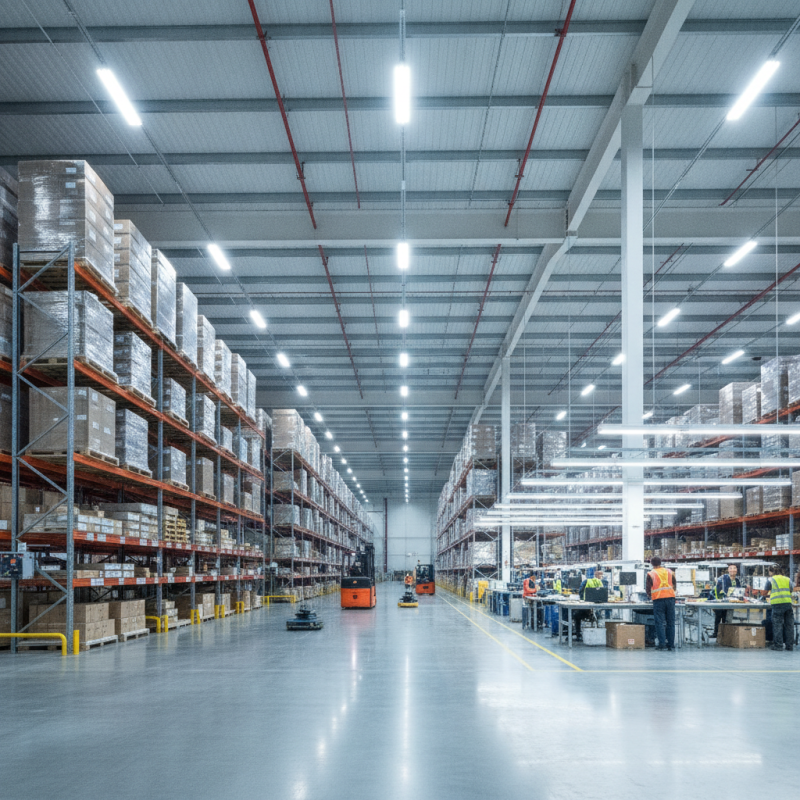
Understanding lumens is crucial for effective warehouse lighting. A well-lit warehouse enhances productivity and safety. According to the Illuminating Engineering Society (IES), a general guideline suggests 100-300 lumens per square meter for task areas in warehouses. High-traffic zones may require over 500 lumens. This variation depends on the warehouse activities and layout.
Consider the height of the ceilings and the type of tasks performed. For instance, areas with high rack storage need more intense lighting at higher angles. Studies indicate that too little light can impair visibility and increase errors. Research shows that improving light levels can boost worker efficiency by up to 20%. Additionally, improper lighting can strain workers' eyes, leading to fatigue.
It's essential to reflect on the potential drawbacks of excessive lighting. Over-illumination may lead to glare, causing discomfort. Finding the right balance of lumens is key. Consulting with lighting professionals can provide insights tailored to specific warehouse needs. Familiarity with local codes and regulations is vital for compliance and safety.
When determining the lumen requirements for a commercial warehouse, several factors come into play. The type of activities conducted in the warehouse is critical. For instance, areas designated for picking orders may need brighter lighting than storage zones. This is due to the constant movement and safety considerations. Additionally, the ceiling height affects how much light is needed. Higher ceilings often require more lumens to ensure adequate visibility on the floor.
Another significant aspect is the color of the walls and inventory. Light colors reflect lumens better than dark hues. A brightly painted warehouse can reduce the need for additional lighting. Furthermore, consider the layout of the space. Open areas may have different requirements compared to spaces filled with shelves and machinery. The reflection of surfaces also plays a role. A concrete floor will absorption light differently than polished tiles.
Reflecting on these factors is essential. It's easy to overlook ceiling height or wall colors when planning lighting. Warehouse workers' comfort and safety should be priorities. Blinding lights can lead to accidents, while too dim conditions cause strain. Adjusting lumens based on these considerations can enhance efficiency and well-being in the warehouse environment.
| Factors | Recommended Lumens per Square Foot | Typical Applications |
|---|---|---|
| General Illumination | 30-50 | Storage areas |
| High-Level Storage | 50-75 | Racking systems |
| Task Lighting | 75-100 | Workstations |
| Safety and Security | 100-150 | Emergency exits, pathways |
| Loading Docks | 75-125 | Loading/unloading areas |
| Production Area | 100-200 | Manufacturing lines |
| Retail Areas | 50-75 | Showroom display |
| Aisle Lighting | 30-60 | Aisles and corridors |
| Storage Visibility | 50-100 | Stacked items |
| Equipment and Machinery | 75-150 | Machinery operations |
When determining the right brightness for a commercial warehouse, it’s essential to calculate the proper lumens needed. Start by assessing the warehouse's size and layout. Measure the square footage meticulously. This foundational step ensures you have a clear understanding of the area you need to illuminate effectively.
Next, consider the activities performed in the warehouse. Different tasks require varying levels of brightness. For example, areas with manual assembly may need more light than storage zones. Assess the ceiling height, too. Higher ceilings often require more powerful lighting options to ensure adequate illumination. This assessment can feel daunting at first, especially if you're unfamiliar with lighting calculations.
After gathering all necessary information, apply the lumens per square foot standard. Typical warehouses range from 30 to 50 lumens per square foot based on the activities involved. However, don’t hesitate to tweak these figures. Some areas may benefit from more or less light, depending on specific needs. This reflective process will help establish a balanced lighting scheme that fosters a safe and productive working environment.
When lighting a commercial warehouse, understanding lumen output is crucial. Different lighting solutions provide varying levels of brightness to meet the needs of the space. For instance, LED fixtures typically output between 100 to 200 lumens per watt. This efficiency can significantly reduce energy costs while providing ample illumination.
Consider using fluorescent fixtures as a common alternative. They generally emit around 5,000 to 7,000 lumens. This makes them suitable for standard warehouse operations. However, they may not be as energy-efficient as LEDs. Reflect on this choice, especially if you seek long-term savings and sustainability.
Tips for optimizing warehouse lighting: Assessing the tasks performed in each area is essential. High-traffic zones may need brighter lighting. Aiming for 50 to 100 lumens per square foot is a good starting point. Regularly review your lighting setup to adapt to changing needs. Balancing brightness and energy efficiency is key to a successful warehouse lighting strategy.
When considering warehouse lighting, compliance with safety standards is crucial. Proper illumination not only enhances productivity but also ensures safety for all personnel. The right lighting helps prevent accidents, such as trips and falls, which can lead to serious injuries. It is vital to adhere to OSHA regulations regarding minimum light levels and lighting conditions.
Understanding lumens is essential. A common recommendation is around 300-500 lumens per square meter for most warehouses. This range provides sufficient visibility without excessive strain on the eyes. Checking existing lighting layouts can reveal inadequacies. Inadequate brightness can lead to errors in work, costing time and resources.
Here’s a quick tip: Regularly assess your lighting. If areas seem dim, consider adjustments. Use energy-efficient bulbs that last longer and require less maintenance. Also, don’t forget about placement. Directing lights to specific workstations can enhance visibility. A well-lit environment fosters a safer and more efficient workplace. Always keep safety as a priority in any lighting decision.
: The general guideline suggests 100-300 lumens per square meter for task areas.
Higher ceilings often require more lumens for adequate visibility on the floor.
Proper lumens enhance productivity and safety, improving overall working conditions.
Insufficient light can impair visibility, increase errors, and strain workers' eyes.
Over-illumination may cause glare and discomfort, affecting worker productivity.
Light colors reflect more lumens than dark colors, reducing the need for additional lighting.
Assessing lighting helps identify dim areas and ensures compliance with safety standards.
Energy-efficient bulbs save maintenance time and lower energy consumption, enhancing efficiency.
Correct illumination helps prevent trips and falls, ensuring a safer working environment.
Workers' comfort and safety should be the main focus in lighting decisions.
When determining how many lumens do I need for a commercial warehouse, it's essential to understand the specific lighting requirements based on the warehouse's activities and layout. Factors such as the type of work being done, the height of the ceilings, and the colors of the walls significantly influence the total lumen requirement.
To calculate the right brightness, one should take a systematic approach, considering the square footage of the space and the recommended foot-candles for the tasks at hand. Various lighting solutions offer different lumen outputs, and choosing the correct option can enhance visibility and employee safety. Lastly, ensuring compliance with safety standards and regulations is crucial for optimal warehouse lighting, contributing to a safe and efficient working environment.
