Retrofitting metal halide lights to LED high bays is a growing trend in industrial lighting. Experts suggest that this switch can enhance efficiency. John Smith, a leading lighting consultant, emphasizes, “The transition to LED is not just a choice; it’s a necessity for modern facilities.” Understanding how to retrofit metal halide to LED high bay fixtures can save energy and reduce operational costs.
This process requires careful evaluation. It’s important to assess the existing fixtures and ensure compatibility with new LED technology. Many facilities overlook details, leading to inefficiencies. Retrofitting isn’t always straightforward, but the rewards are significant. LED lights provide better illumination and last longer than traditional metal halide options.
Navigating the retrofit process takes expertise. Hiring professionals can mitigate risks. However, some may choose to DIY. This method can lead to mistakes if one isn’t careful. Proper research and a clear understanding of how to retrofit metal halide to LED high bay lights pave the way for successful upgrades. Balancing costs with benefits will yield the best results in the long run.
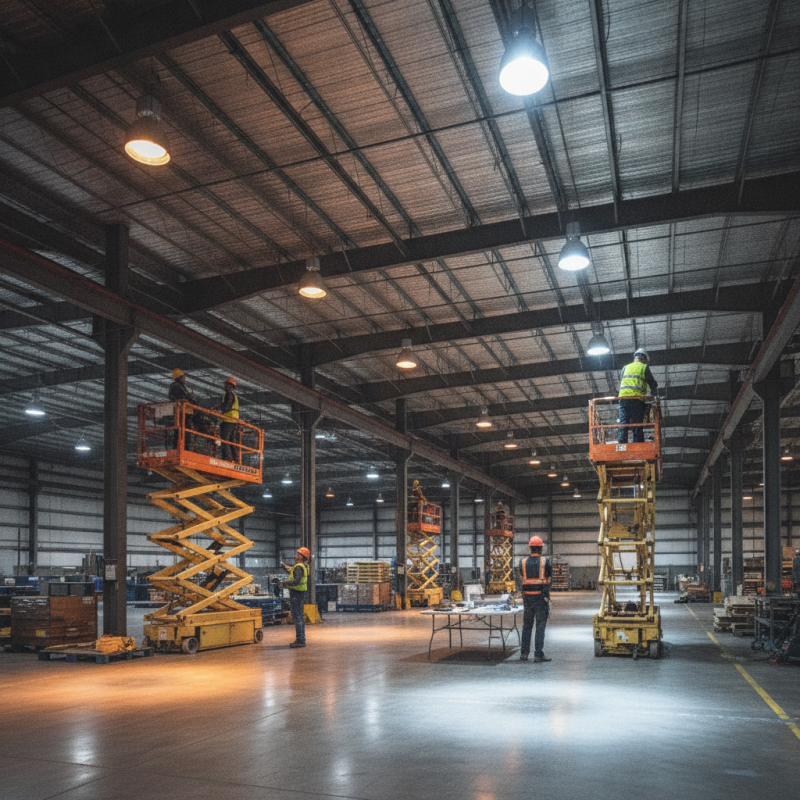
The world of lighting technology has evolved significantly. Metal halide lights have been popular in high bay applications for years. They provide bright illumination but come with drawbacks. Their efficiency is lower, leading to higher energy costs. Additionally, they have longer warm-up times and require more maintenance.
LED high bay lights offer significant advantages. They are more energy-efficient and have a longer lifespan. Switching to LED can save up to 75% on energy bills. The instant-on feature is another benefit. No one likes waiting for lights to warm up. LEDs also have lower heat emissions, making them safer for various environments.
While the transition to LED seems perfect, it’s not without challenges. The initial investment can be high. Some users report color discrepancies with LED lights. It’s vital to choose the right color temperature for your space. Understanding the differences helps make an informed decision. Adapting to this new technology requires thought and careful planning.
Retrofitting metal halide lights to LED high bay systems offers various advantages. One major benefit is energy efficiency. Metal halide fixtures consume significantly more energy than their LED counterparts. According to the U.S. Department of Energy, LED lights use up to 75% less energy than traditional lighting options. This efficiency translates into lower electricity bills for businesses.
Another notable advantage is longevity. Metal halide bulbs typically last around 10,000 hours. In contrast, quality LED fixtures can last over 50,000 hours. This extended lifespan reduces the frequency and cost of replacements. A study by the LED lighting data foundation shows that retrofitting can also decrease maintenance costs by up to 50%. Fewer replacements mean less disruption in operations for businesses.
Environmental benefits also play a role in the retrofit decision. LED lights contain no hazardous materials, unlike some metal halide bulbs. Transitioning to LED reduces environmental impact. A significant drawback can be the initial investment. While LED retrofits save money over time, the upfront cost can be a concern for some businesses. It's essential to weigh this initial expense against long-term savings to make an informed decision.
Transitioning from metal halide to LED high bays offers significant advantages, including improved energy efficiency. To begin your retrofit, gather essential tools and materials. Common tools include screwdrivers, pliers, wire strippers, and a multimeter for electrical testing. Safety equipment, such as gloves and goggles, is also crucial.
The retrofit process involves replacing the existing fixture components. First, power off the electrical supply. Disconnect the old metal halide fixture, ensuring wires are not damaged. Next, install the LED driver and fixtures. LED fixtures typically consume 50% less energy than traditional options, according to recent industry reports. Confirm compatibility between the LED driver and the existing wiring to avoid inefficiencies.
During the installation, it's vital to ensure all connections are secure. Use the multimeter to check voltage and prevent electrical hazards. A survey by the U.S. Department of Energy indicates that businesses can save up to $8,000 annually on energy costs by switching to LEDs. However, poor installation can lead to flickering or reduced lifespan of the LEDs. Always double-check your work before re-energizing the system. Adjustments may be necessary to optimize the lighting design post-retrofit.
Upgrading from metal halide to LED high bays can significantly enhance energy efficiency. LED high bays consume up to 50% less energy than their metal halide counterparts. This reduction translates directly into lower utility bills for businesses. Additionally, LED lights have a longer lifespan, lasting over 50,000 hours compared to 20,000 hours for metal halide. This means fewer replacements and less maintenance.
Tips: Consider the current wattage of your metal halide fixtures. Ensure the replacement LED units provide equivalent lumens for effective illumination. Measure your space to determine the right angle and height for installation.
Energy savings can be impressive, but it’s essential to analyze the total cost of ownership. Installation costs can vary based on existing infrastructure. Some businesses may overlook potential savings in maintenance and disposal. It's crucial to consider these factors in your overall budget. Transitioning gradually might be a wise approach to manage upfront costs. Reflect on how your lighting needs might change in the future to make more strategic decisions.
When retrofitting metal halide lights to LED high bays, maintenance is crucial. LED lights significantly reduce the need for frequent replacements. This leads to less downtime, which can benefit operational efficiency. Traditional high bay lights often require more frequent bulb changes. This can disrupt workflow and increase labor costs.
Long-term benefits of LED lighting extend beyond maintenance. They consume less energy, leading to lower utility bills. LEDs generate less heat, minimizing cooling costs. Consider how these aspects impact your overall budget. While the initial investment may be higher, the savings accumulate over time.
Evaluating your choices involves reflection. Some facilities may choose to delay retrofitting due to unfamiliarity with LEDs. This hesitation can cost more in the long run. Familiarizing yourself with the long-term benefits is essential. LEDs not only enhance lighting quality but also promote sustainability.
: Essential tools include screwdrivers, pliers, wire strippers, and a multimeter for testing.
Safety gear, such as gloves and goggles, protects you from potential electrical hazards.
LED high bays use up to 50% less energy, reducing utility costs significantly.
Ensure compatibility between the LED driver and existing wiring to prevent inefficiencies.
LEDs last over 50,000 hours, while metal halide lights last only about 20,000 hours.
Poor installation can lead to flickering and a reduced lifespan for LEDs.
LEDs require fewer replacements, leading to less downtime and reduced labor costs.
Analyze installation costs, maintenance savings, and future lighting needs for strategic planning.
LEDs offer energy savings, lower cooling costs, and improved sustainability in the long run.
Some may delay due to unfamiliarity with LEDs, which can lead to increased costs over time.
The article "China Best Guide to Retrofit Metal Halide to LED High Bay" explores the transition from traditional metal halide lighting to energy-efficient LED high bay systems. It begins by detailing the differences between these two lighting technologies, highlighting the myriad advantages of retrofitting, including enhanced energy efficiency and significant cost savings.
The step-by-step retrofit process is outlined, specifying the essential tools and materials needed for a successful conversion. Additionally, the article emphasizes the importance of evaluating energy efficiency and financial benefits of LED lighting, while also considering maintenance aspects and long-term advantages. By understanding how to retrofit metal halide to LED high bay, users can effectively upgrade their lighting systems, leading to improved performance and sustainability.
